Maintaining Your Gearbox in Harsh Environments
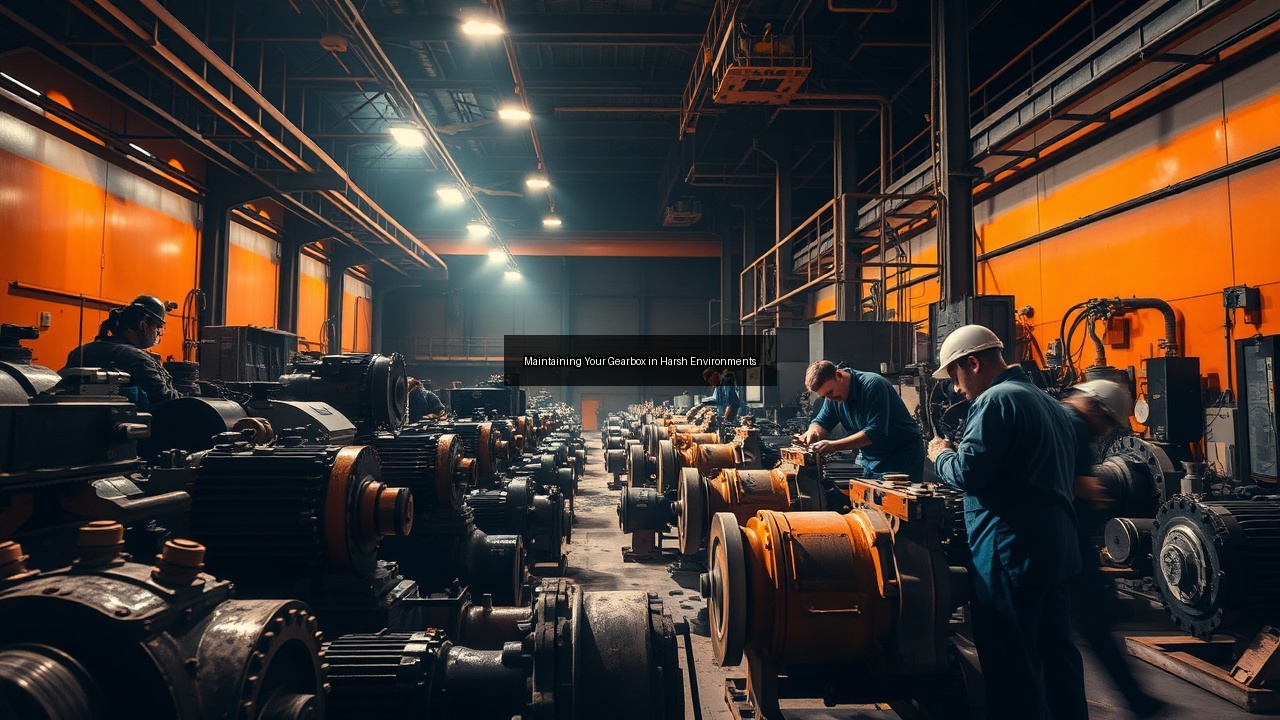
Understanding Gearbox Functionality in Harsh Environments
The Role of Gearboxes in Power Transmission
Gearboxes play an essential role in power transmission across gearbox maintenance routine industrial various industrial applications. They convert the input speed from a motor into the required output speed and torque, allowing machinery to operate efficiently. The gearing design in these systems ensures that power is transmitted smoothly and effectively, minimizing energy losses. In harsh environments, such as those found in mining, manufacturing, and construction, gearboxes withstand extreme conditions. Dust, moisture, and high temperatures can adversely affect their performance. Therefore, understanding how gearboxes function under these circumstances is vital for optimizing their longevity and efficiency.
Types of Gearboxes: Focus on Worm Gear and Reducers
Two common types of gearboxes used in industrial settings are worm gears and reducers. Worm gear systems consist of a worm (a screw-like component) that meshes with a gear to create a significant speed reduction. This design provides high torque output with minimal backlash, making it suitable for applications that require precise positioning and control. Reducers, on the other hand, are designed to decrease the speed of an input shaft while increasing the output torque. Both types are crucial in ensuring that equipment operates smoothly, particularly in challenging environments where reliability is paramount. Selecting the right gearbox type based on your specific needs can significantly impact overall system performance and durability.
Impact of Environmental Conditions on Gear Efficiency
Environmental conditions significantly influence gearbox efficiency and operational reliability. Factors such as dust, moisture, and temperature fluctuations can lead to premature wear and tear on components. Dust accumulation can obstruct moving parts, causing increased friction and overheating. Moisture exposure can result in rust and corrosion, compromising the integrity of gears and bearings. Additionally, extreme temperatures can affect the viscosity of lubricants, leading to suboptimal performance. Engineers must consider these factors when designing and maintaining gearboxes to ensure they can withstand harsh environments. Regular assessments of environmental conditions and their effects on gear efficiency can help prevent costly downtime and extend the lifespan of your industrial gearbox.
Best Practices for Routine Gearbox Maintenance
Essential Maintenance Checks: Vibration and Torque Analysis
Routine maintenance is crucial for ensuring the longevity and efficiency of industrial gearboxes. One of the essential practices involves conducting vibration and torque analysis. Vibration analysis helps identify misalignments, imbalance, or wear within the gearbox before they escalate into severe issues. By monitoring vibration patterns, engineers can detect anomalies that may indicate underlying problems. Torque analysis, on the other hand, measures the output torque to ensure it aligns with design specifications. Any discrepancies may suggest that the gearbox is under duress and requires immediate attention. Implementing these checks as part of a comprehensive maintenance routine allows for proactive identification of potential failures, thus minimizing unplanned downtime and maintenance costs.
Lubrication Techniques for Optimal Performance
Effective lubrication is a cornerstone of gearbox maintenance. Proper lubrication reduces friction between gears, prevents overheating, and protects against wear. Choosing the right lubricant is essential; the viscosity and type must match the operational conditions of the gearbox. In harsh environments, where temperatures may fluctuate, synthetic lubricants can offer superior performance. Regularly checking lubricant levels and replacing old or contaminated oil ensures optimal functionality. Additionally, employing automatic lubrication systems can streamline this process, providing consistent lubrication and minimizing the risk of human error. Establishing a robust lubrication strategy not only enhances gearbox performance but also gearbox maintenance routine industrial extends its operational life.
Dust Control Strategies to Prolong Gear Life
Dust poses a significant threat to the functionality and lifespan of industrial gearboxes. Implementing effective dust control strategies is vital for maintaining optimal performance. Enclosures and protective covers can shield gearboxes from dust infiltration, but they must allow for adequate ventilation to prevent overheating. Regular cleaning schedules help reduce dust accumulation around gearboxes, while air filtration systems can be installed in the surrounding environment to minimize airborne particulates. Additionally, using materials that resist dust accumulation can further safeguard gearbox maintenance routine industrial your gearbox. Taking proactive measures against dust not only prolongs the life of the gearbox but also enhances overall system reliability.
Identifying and Preventing Gearbox Failures
Common Causes of Gearbox Failures in Industrial Settings
Understanding the common causes of gearbox failures is vital for effective industrial gearbox maintenance. Overloading is one of the leading causes; when gearboxes operate beyond their designed capacity, it can lead to catastrophic failures. Additionally, inadequate lubrication can result in overheating and component wear, ultimately leading to gearbox breakdown. Other contributing factors include improper installation, misalignment, and environmental stresses such as dust and moisture. Regular monitoring and adherence to manufacturer specifications can significantly reduce the risk of these failures. By identifying potential issues early, engineers can implement corrective actions before they escalate into more serious problems.
Signs Indicating the Need for Industrial Gearbox Repair
Recognizing the signs of impending gearbox failure is crucial for maintaining operational efficiency. Common indicators include unusual noises, such as grinding or whining, which may suggest mechanical wear or misalignment. Excessive vibration often points to imbalance or misalignment of components. Sudden changes in temperature can signal lubrication issues or overheating. Additionally, any visible leakage of lubricants necessitates immediate attention. Establishing a routine inspection schedule helps in identifying these warning signs early, allowing for timely repairs or replacements. Ignoring these symptoms can lead to more severe issues, resulting in costly downtime and extensive repairs.
The Importance of Engineering Expertise in Maintenance
Engaging engineering expertise plays a critical role in effective gearbox maintenance. Skilled engineers possess the knowledge to analyze and interpret data from maintenance checks, ensuring that potential issues are accurately identified and addressed. Their experience enables them to recommend appropriate maintenance strategies and design modifications tailored to specific operational environments. Furthermore, engineers can assist in training maintenance personnel, fostering a culture of proactive care and attention to detail. Collaborating with engineering experts not only enhances the reliability of your gearboxes but also contributes to improved overall system performance.
Leveraging Technology for Enhanced Gearbox Maintenance
Innovative Tools for Gearbox Monitoring
Technology significantly enhances gearbox maintenance practices. Innovative monitoring tools, such as condition monitoring systems, provide real-time data on the performance and health of gearboxes. These systems utilize sensors to measure vibration, temperature, and lubrication levels, allowing for continuous assessment. Predictive maintenance techniques leverage this data to forecast potential failures, enabling timely interventions. Advanced software platforms can analyze trends and provide actionable insights for maintenance planning. By integrating technology into maintenance routines, industries can reduce unplanned downtime, optimize maintenance schedules, and improve overall gear efficiency.
The Future of Gearbox Maintenance in Industrial Engineering
The future of gearbox maintenance lies in the integration of advanced technologies and data-driven strategies. As industries increasingly adopt Industry 4.0 principles, the focus shifts toward automation and intelligent systems that enhance maintenance practices. Machine learning algorithms can analyze historical data to predict failures with greater accuracy, while IoT devices facilitate seamless communication between machinery and maintenance teams. This evolving landscape promises reduced maintenance costs, improved uptime, and enhanced operational efficiency. Embracing these technological advancements will position industries to effectively manage their gearboxes in even the most challenging environments, ensuring sustained performance and reliability.
See Also
- Routine Maintenance Strategies to Reduce Downtime in Industrial Gearboxes
- How Environment Affects Your Industrial Gearbox Maintenance Routine
- Unlocking the Secrets to Preventing Gearbox Failures in Industrial Settings
- Engineering Insights into Gearbox Design for Better Maintenance
- Avoiding Common Pitfalls in Industrial Gearbox Servicing